Skip to content







-
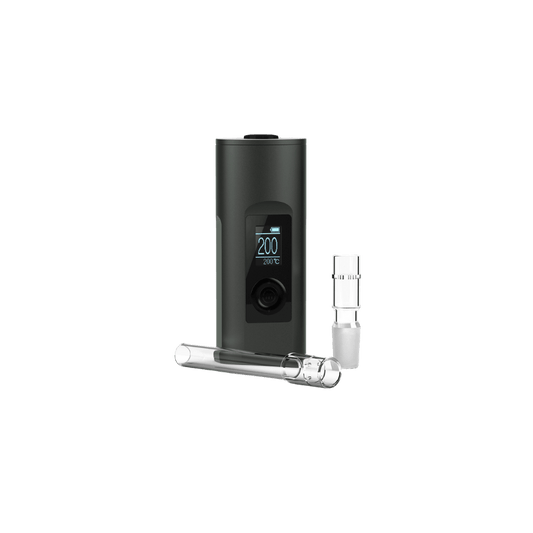
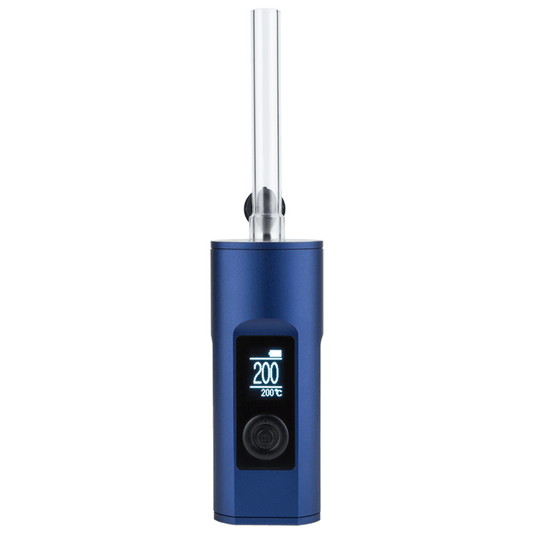
Arizer Solo II MAX Vaporizer
Regular price $269.99Regular priceUnit price per$269.99Sale price $269.99 -
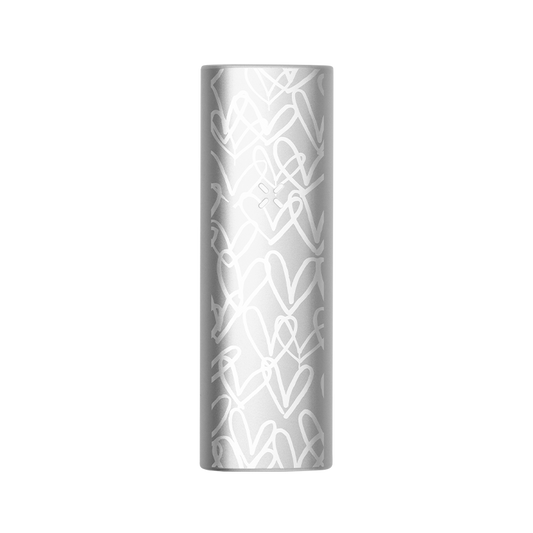
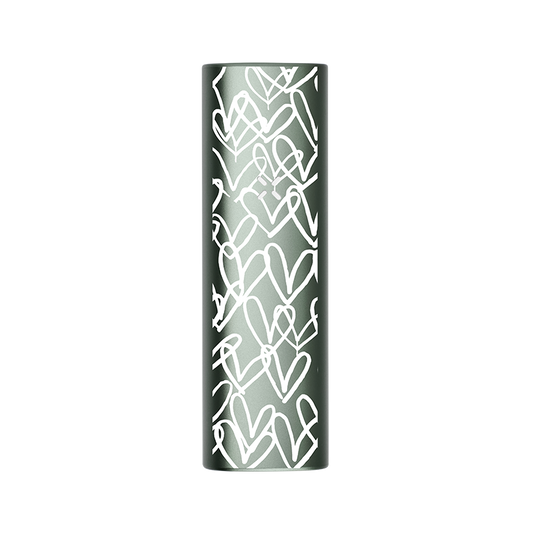
PAX Labs x Goldcrown Mini Vaporizer for Dry Herb
Regular price $125.00Regular priceUnit price per$125.00Sale price $125.00 -
PAX Labs x Goldcrown Plus Vaporizer
Regular price $199.99Regular priceUnit price per$199.99Sale price $199.99 -
PAX 3 Vaporizer - Complete Kit
Regular price $249.99Regular priceUnit price per$249.99Sale price $249.99 -
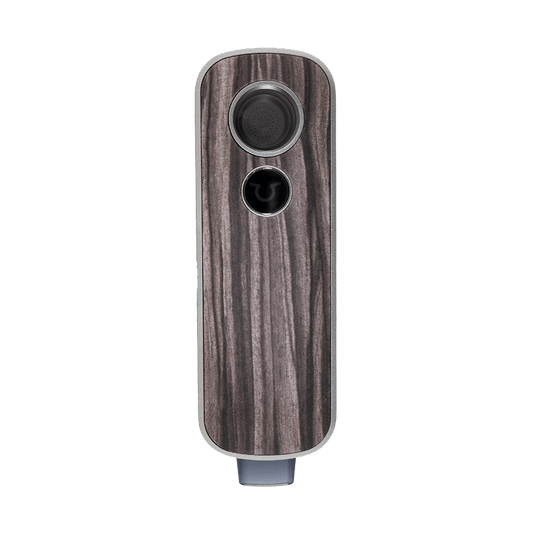
Firefly 2+ Vaporizer
Regular price $139.99Regular priceUnit price per$224.99Sale price $139.99 -
Arizer Solo 2 Vaporizer
Regular price $169.00Regular priceUnit price per$169.99Sale price $169.00 -
Arizer Extreme Q Vaporizer
Regular price $179.99Regular priceUnit price per$179.99Sale price $179.99 -
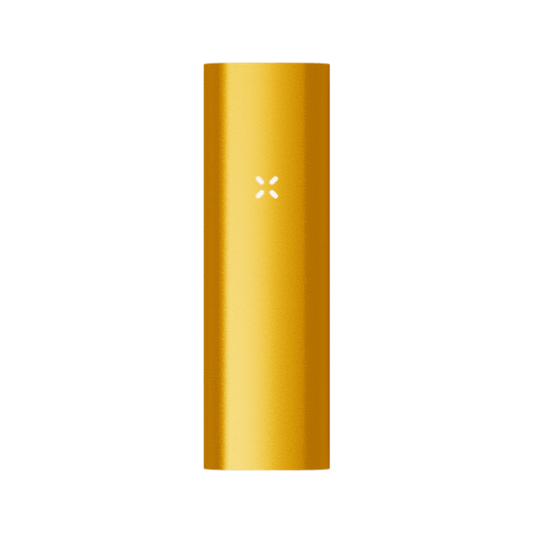
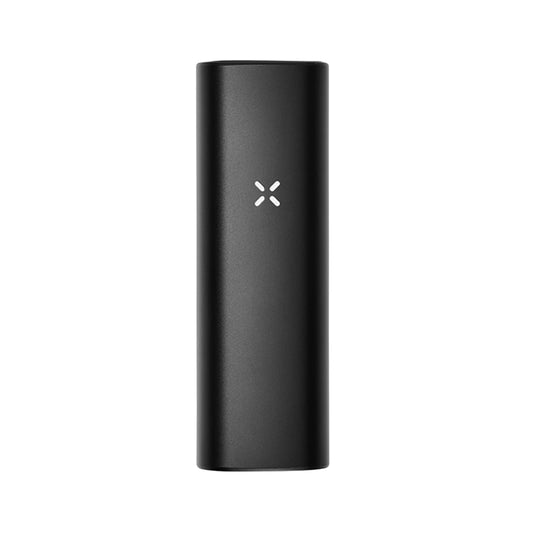
PAX Mini Vaporizer
Regular price $114.99Regular priceUnit price per$125.00Sale price $114.99

-
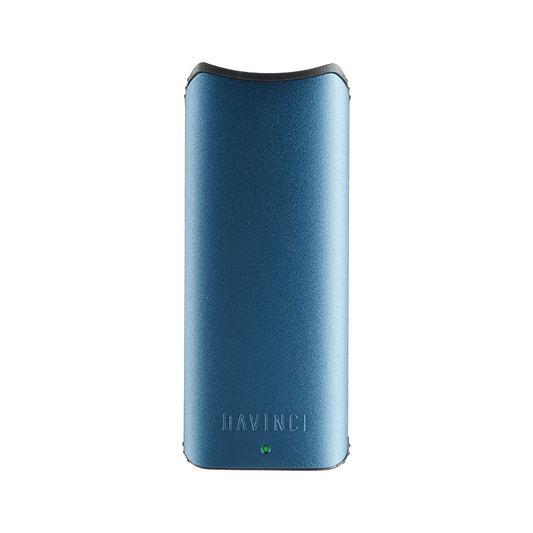
DaVinci ARTIQ 510 Battery
Regular price $59.99Regular priceUnit price per$59.99Sale price $59.99 -
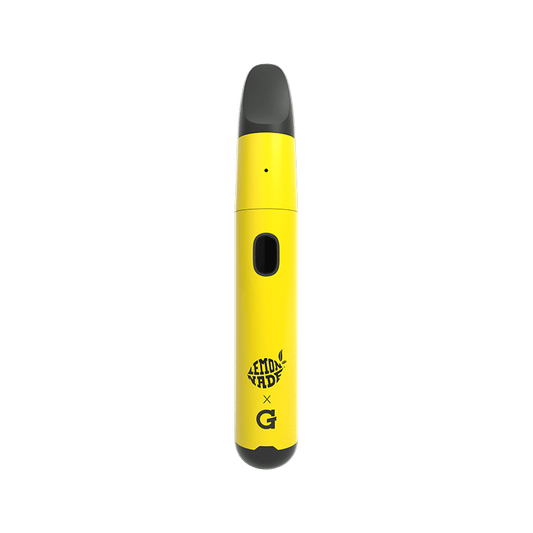
G Pen Micro+ Vaporizer
Regular price $74.95Regular priceUnit price per$74.95Sale price $74.95 -
Arizer Solo II MAX Vaporizer
Regular price $269.99Regular priceUnit price per$269.99Sale price $269.99 -
PAX Mini Vaporizer
Regular price $114.99Regular priceUnit price per$125.00Sale price $114.99 -
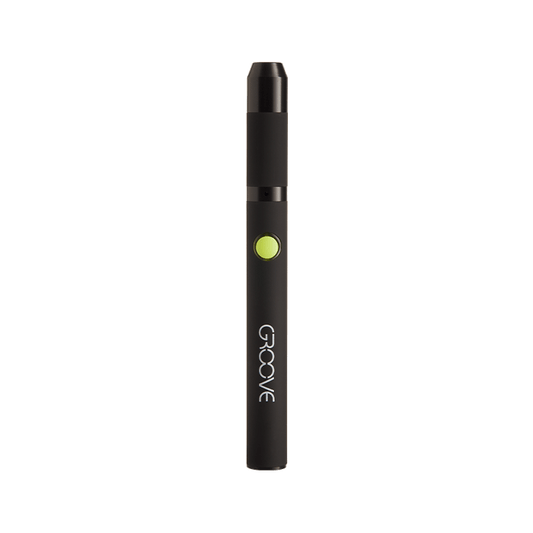
Groove Cara Pen
Regular price $19.99Regular priceUnit price per$21.99Sale price $19.99 -
DaVinci IQC Precision Vaporizer
Regular price $199.00Regular priceUnit price per$199.00Sale price $199.00 -
Eyce ORAFLEX Spiral Spoon Pipe
Regular price $29.99Regular priceUnit price per$29.99Sale price $29.99 -
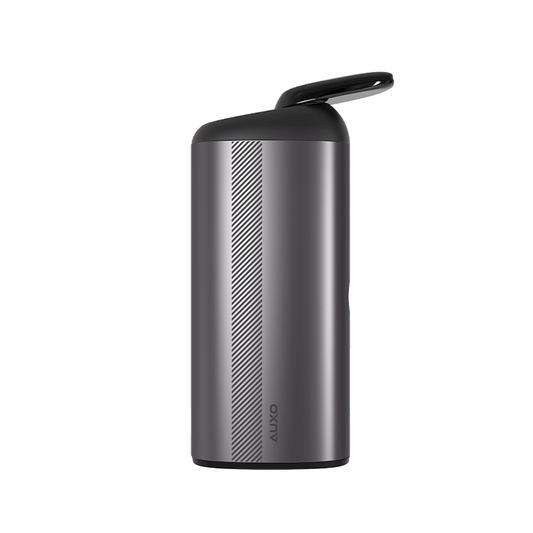
AUXO Calent
Regular price $99.99Regular priceUnit price per$119.99Sale price $99.99

Bundle and Save!
Shop All-
Stuff the Stockings Bundle 2
Regular price $50.00Regular priceUnit price per$94.99Sale price $50.00 -
An Elf Named CARA Bundle
Regular price $60.00Regular priceUnit price per$94.00Sale price $60.00 -
SPARK UP AND GET SPOOKY
Regular price $100.00Regular priceUnit price per$272.50Sale price $100.00 -
The Hot Holiday Bundle
Regular price $400.00Regular priceUnit price per$512.99Sale price $400.00



Blog
View all-

Products Perfect for Festival Season
discreet vaporizers—the unsung heroes of festival culture. In this blog, we embark on a journey to uncover the pocket-sized wonders that offer a discreet and convenient way to enjoy the...
Products Perfect for Festival Season
discreet vaporizers—the unsung heroes of festival culture. In this blog, we embark on a journey to uncover the pocket-sized wonders that offer a discreet and convenient way to enjoy the...
-

Magical Mother's Day Recipe: Infused Lemon Blue...
Elevate Mother's Day with a special treat! Learn how to make a delicious infused Lemon Blueberry Cake using the MagicalButter Machine. Get 40% off the MagicalButter Machine and a free...
Magical Mother's Day Recipe: Infused Lemon Blue...
Elevate Mother's Day with a special treat! Learn how to make a delicious infused Lemon Blueberry Cake using the MagicalButter Machine. Get 40% off the MagicalButter Machine and a free...
-

Green Smoking: Tips for a Sustainable Smoking E...
Elevate your smoking game with these sustainable tips, from choosing eco-friendly materials to embracing electric vaporizers. Join the green revolution and reduce your environmental impact while enjoying your smoke.
Green Smoking: Tips for a Sustainable Smoking E...
Elevate your smoking game with these sustainable tips, from choosing eco-friendly materials to embracing electric vaporizers. Join the green revolution and reduce your environmental impact while enjoying your smoke.
-

The Waldos: The Origin of 420
The Waldos, a group of high school friends, inadvertently gave rise to a global culture phenomenon when they used "420" as a code word for their plan to find a...
The Waldos: The Origin of 420
The Waldos, a group of high school friends, inadvertently gave rise to a global culture phenomenon when they used "420" as a code word for their plan to find a...




SHOP THE BEST ONLINE VAPORIZER AND SMOKING STORE
vapor.com provides a wide variety of the best vapes and smoking accessories. Whether you need the newest portable vaporizer, or a classic glass beaker, we have what you need for your next session. We're an authorized dealer of top brands like PAX, Eyce, Storz & Bickel, Grenco Science, Marley Natural, and more. When purchasing with vapor.com, you can feel confident in your purchase.
Our experts have created easy-to-understand resources for anyone who might be new to the game. Learn how to pick the right vaporizer, get familiar with cleaning tips, and read up on smoking accessories to help elevate your sesh. Our blog is updated regularly, make sure to come check back in so you're always in the know!
We're constantly updating our stock at vapor.com with the latest offerings from your favorite brands. The only thing better than purchasing your favorite brand, is purchasing your favorite brand on a deal, which is why we are always running new promos to ensure you get the best price on your piece.
Our customer support team is always available to help you with any questions you may have about your device, shipping, your account information, and more.
The accessories world is constantly evolving, and vapor.com is here to keep you well informed – We Have Your Clouds Covered!